
Rural Community Development
Healthcare that starts in the community and continues every day.
In rural Honduras, healthcare is not always accessible.
Clinics can be hours away. Preventive care is limited. Treatable conditions often go untreated. Rural Community Development focuses on changing that by building systems that exist within the community itself.
VHC empowers communities to improve health and development.
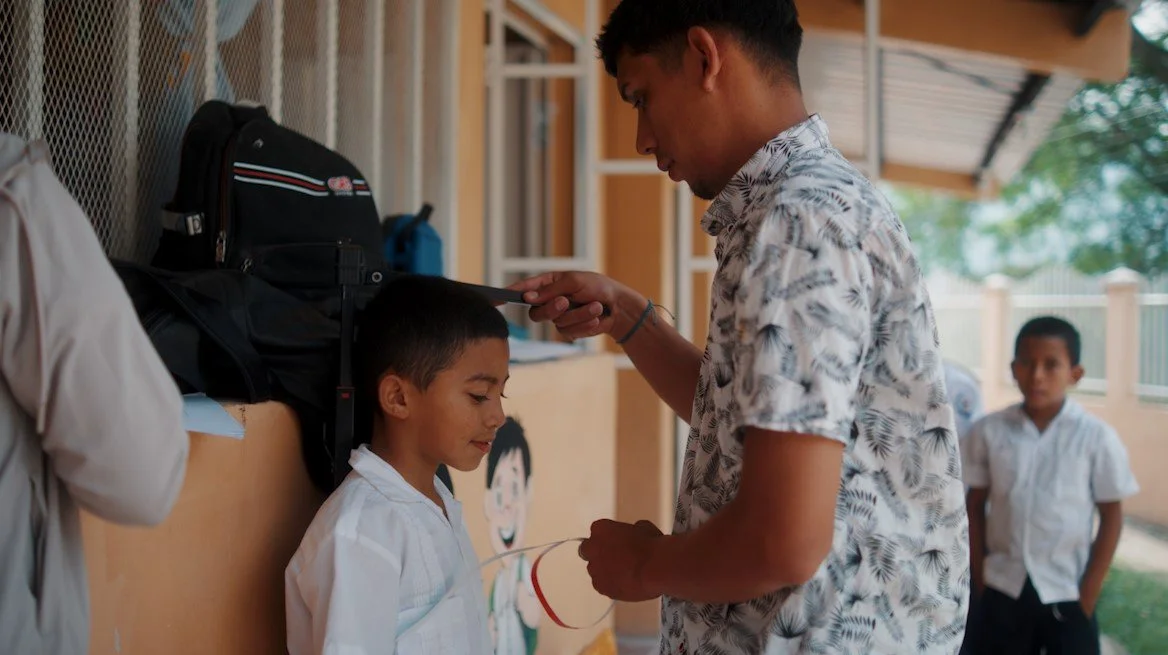
VHC’s Rural Community Development (RCD) program mobilizes community health workers, teachers, and local leaders to improve healthcare, maternal health, nutrition, and education in rural mountain communities. Local volunteers co-own the programs, helping assure locally relevant approaches and sustainable impact.
Rural Clinics
Access to basic healthcare should not depend on distance.
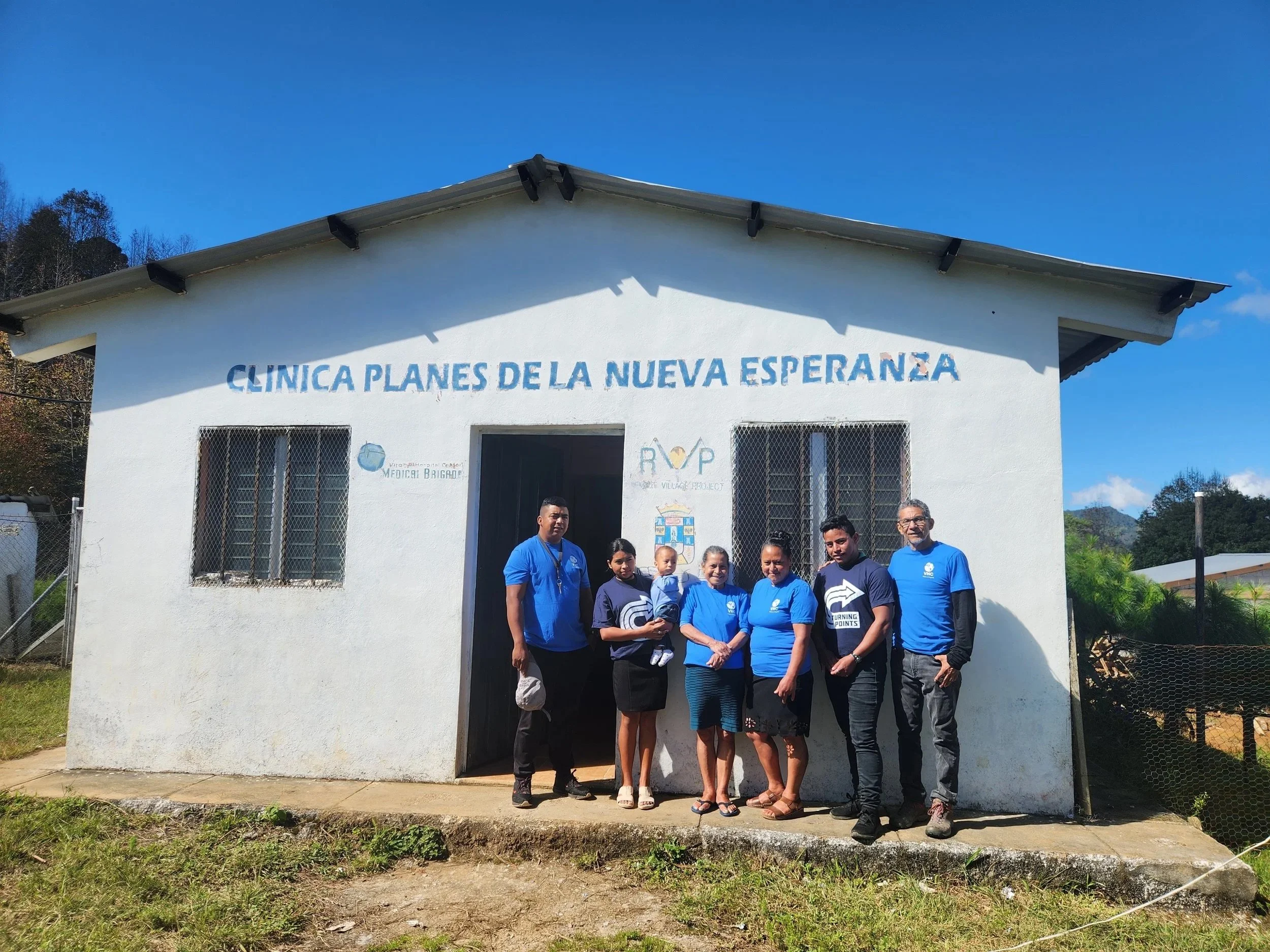
VHC supports rural clinics where community health workers provide essential care, including clinical assessments, treatment for common illnesses, and maternal health support. A traveling doctor visits regularly to provide advanced care and referrals.
Impact: Clinics serve as the primary point of care for families who would otherwise travel hours for treatment.
Women’s Health
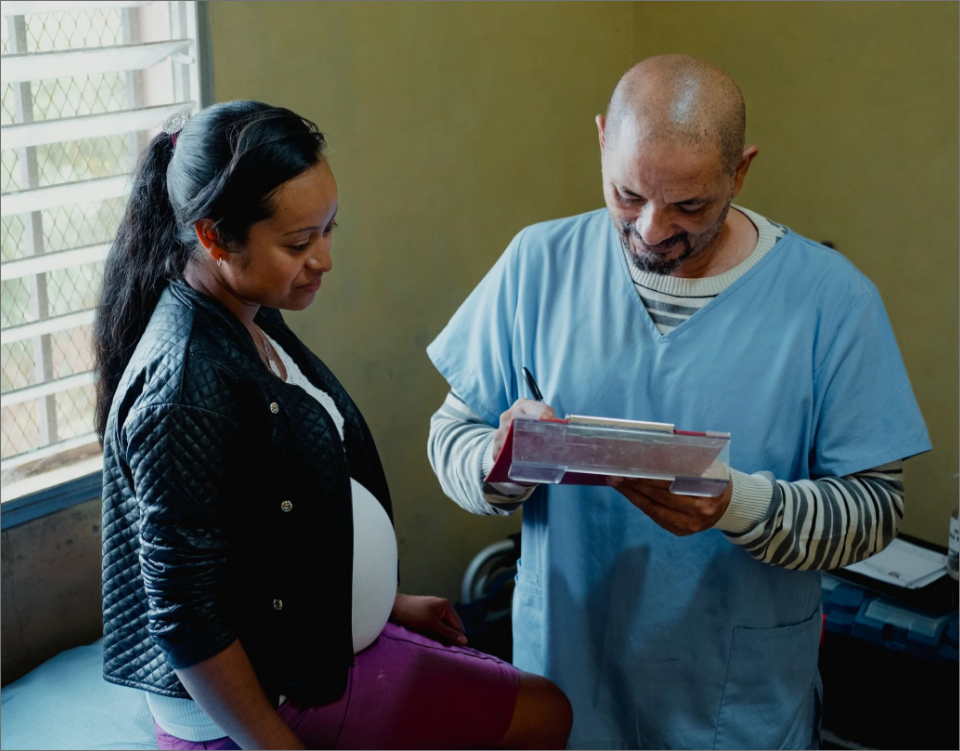
Mothers and infants face some of the greatest health risks in rural Honduras. This program expands access to prenatal care, diagnostics, and maternal health education through clinics, community health workers, and a traveling doctor. It also strengthens vaccination and referral systems through partnerships.
Impact: Improved maternal and infant health outcomes in underserved communities.
Schools and Nutrition
Health and education are closely connected.
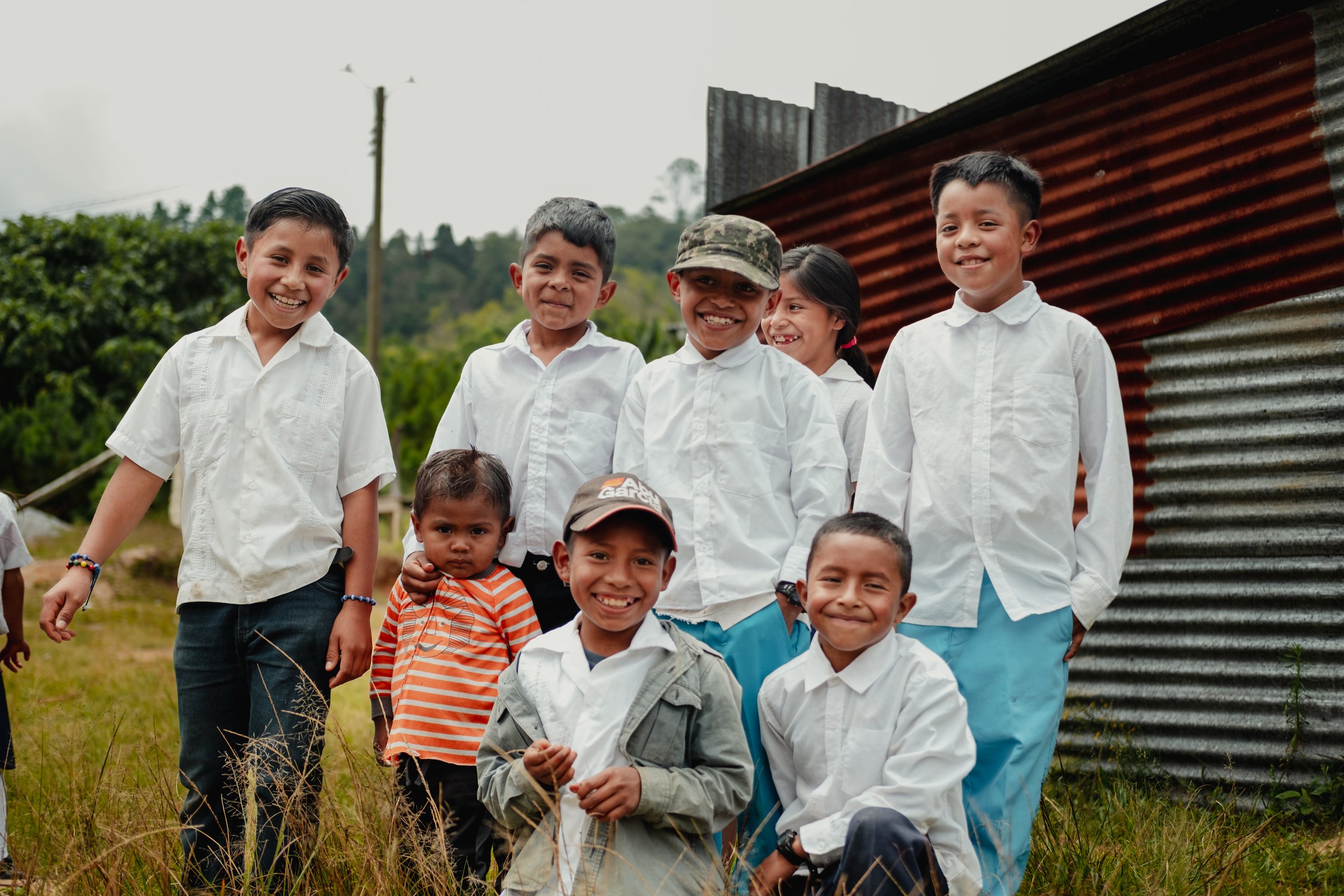
This project supports rural schools through daily meals, hygiene education, deworming, and school supplies. These efforts improve attendance, learning, and long-term opportunity.
Impact: Children are healthier, attend school more consistently, and are better able to learn.
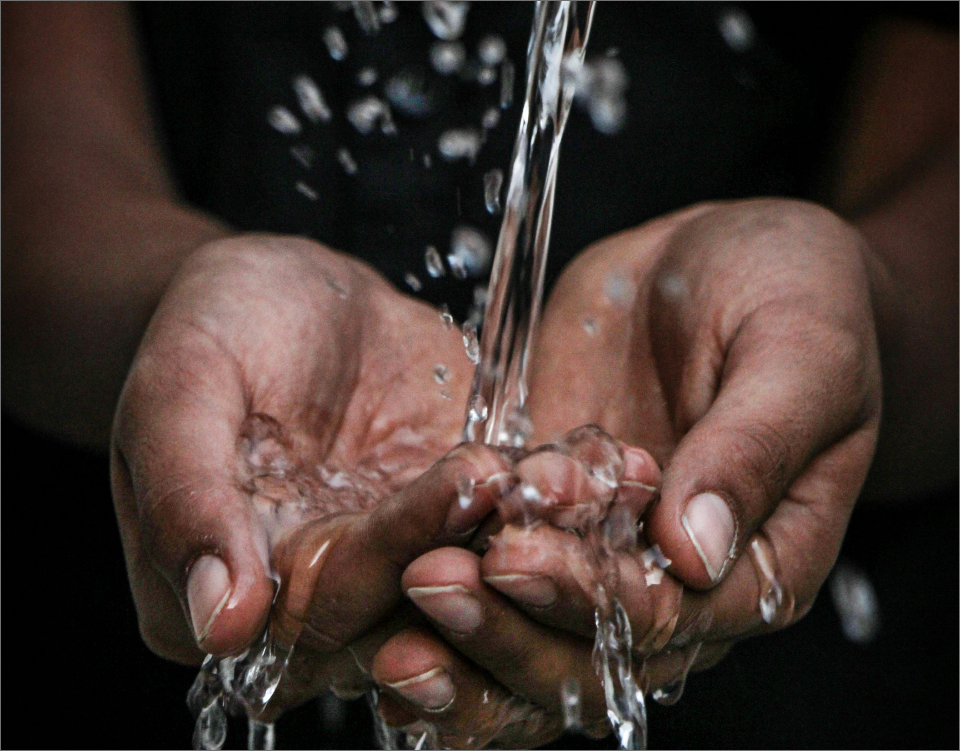
Clean Water
Access to clean water is essential for health.
VHC supports community-managed water systems by providing technical support, water quality monitoring, and training for local water boards. This ensures that systems continue to function over time.
Impact: Families have reliable access to safe drinking water and reduced risk of waterborne illness.
How it works together
These programs are connected.
A child receiving school meals is healthier and better able to learn. A community health worker monitors that child’s health. A clinic provides care when needed. Clean water reduces preventable illness.
Together, these efforts create a foundation for long-term health.
Why it matters
Without consistent, local care, health challenges repeat.
With it, communities become more resilient. Rural Community Development ensures that care is not temporary, but part of everyday life.